
The Opedia Network
TiresOpedia
An information guide to tires and how to find tire help when needed.
Find Tire Services Near YouSearch for tires by ZIP code or city/town
Find places near you that provide services, products, and resources connected to tires.


Your Information Guide to Tires
TiresOpedia helps you find nearby tire repair, replacement, and service options while giving you practical guides, useful tips, safety reminders, and consumer-friendly answers to help you make smarter tire decisions.
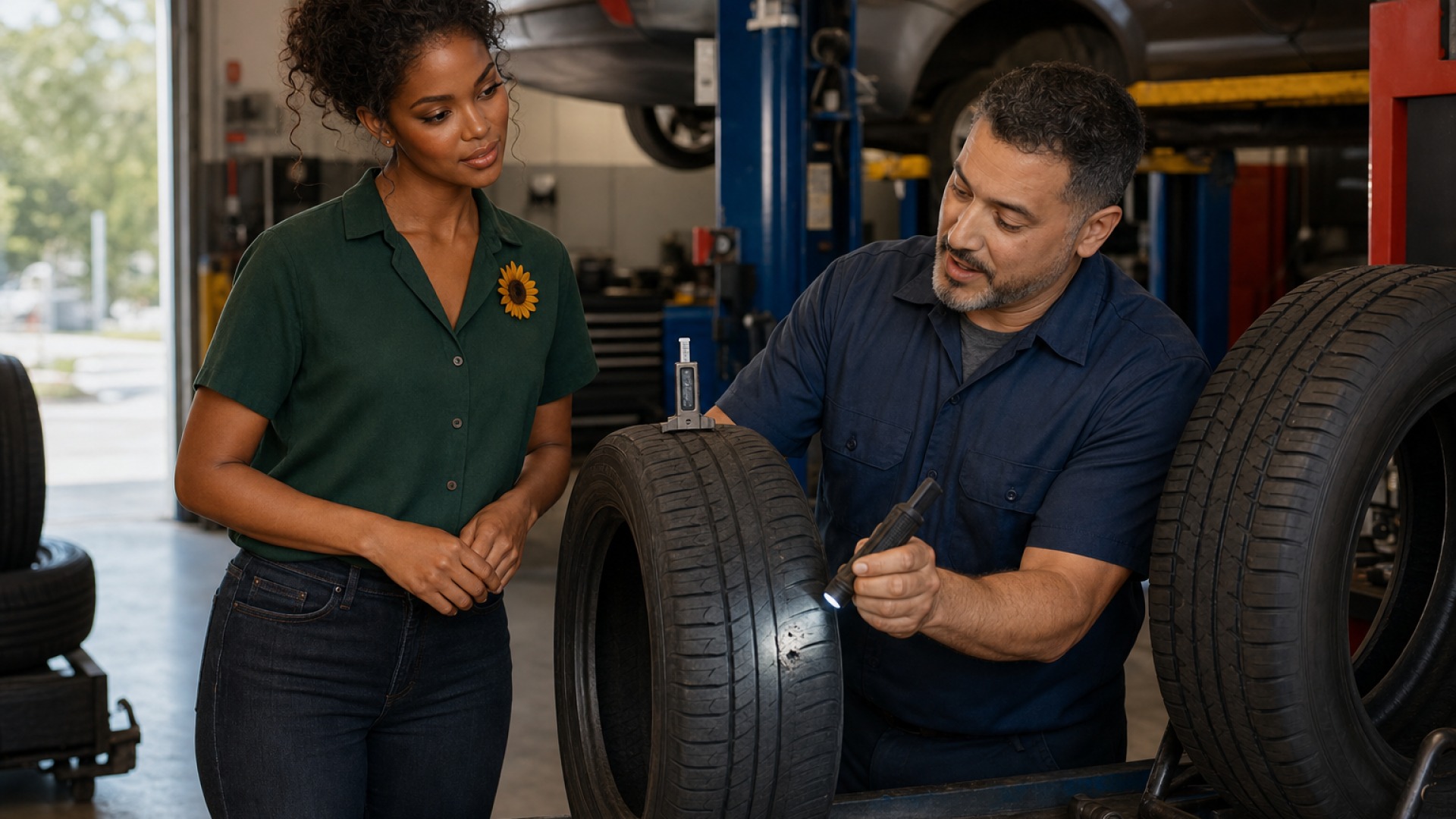
Do I Need a Tire Repair or a Replacement?
Not every tire problem means you need a brand-new tire. A small puncture in the tread area may be repairable, while sidewall damage, a bulge, exposed cords, severe cracking, or very low tread usually points toward replacement. TiresOpedia helps visitors understand the difference before they call or visit a shop. The goal is not to turn anyone into a tire technician, but to help ordinary drivers recognize warning signs, ask better questions, and feel more confident when deciding whether a tire can be repaired or should be replaced.


Is It Safe to Drive on My Tire Right Now?
When a tire looks low, feels wobbly, makes noise, or triggers a tire-pressure warning light, safety comes first. A badly underinflated tire can overheat or fail, and a tire with a bulge, cut, exposed cord, or rapid air loss should be treated as urgent. If the vehicle is pulling, vibrating, or riding on a nearly flat tire, it may be safer to stop and call for help than to keep driving. TiresOpedia gives visitors a practical way to think through urgency before they risk more damage to the tire, wheel, or vehicle.

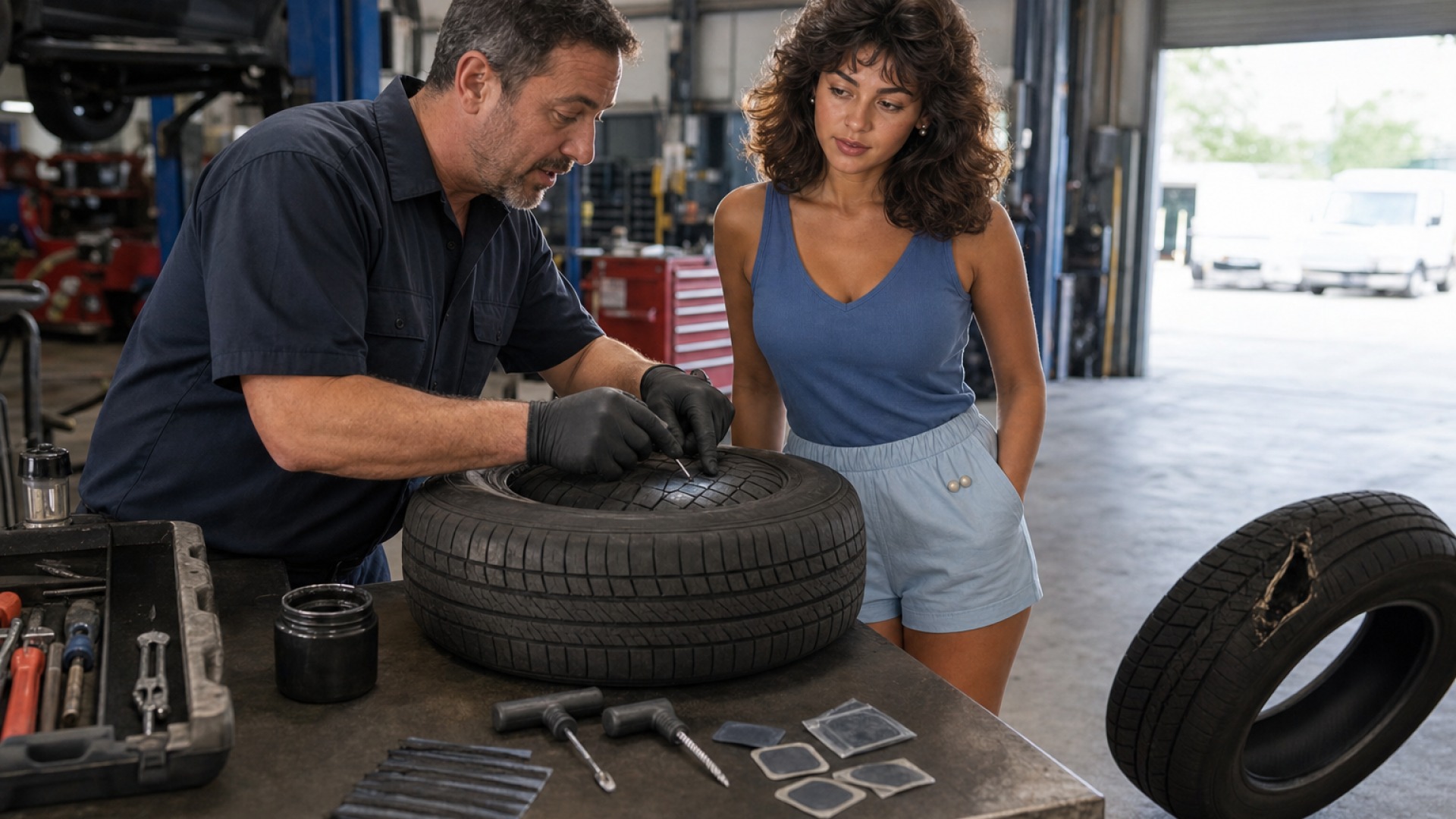
Can My Flat Tire Be Patched or Plugged?
Many drivers hope a flat tire can be fixed quickly, but not every puncture is repairable. A proper tire repair usually requires removing the tire from the wheel, inspecting the inside, filling the puncture, and sealing the inner liner. Punctures in the center tread area are the most likely candidates. Damage on the shoulder or sidewall, large punctures, overlapping repairs, or evidence that the tire was driven while flat may mean replacement is the safer answer. TiresOpedia helps visitors understand why a trustworthy shop may say no to a repair.


What Tire Size Do I Need?
The right tire size is usually listed on the tire sidewall and on the vehicle information placard inside the driver-side door area. That size includes more than width and wheel diameter. Load rating, speed rating, and vehicle requirements also matter. Guessing can create problems with handling, clearance, braking, ride comfort, or dashboard systems. TiresOpedia encourages visitors to check the vehicle placard, owner information, and existing tires before shopping. A good tire shop should confirm the correct size and explain any recommended alternatives before selling a replacement.

Should I Replace One Tire, Two Tires, or All Four?
Sometimes one damaged tire can be replaced by itself, but the answer depends on tread depth, tire age, vehicle type, drivetrain, and how closely the new tire matches the others. Replacing two tires may make sense when the tires on one axle are worn. Some all-wheel-drive vehicles may require closer tread matching to avoid drivetrain stress. TiresOpedia helps visitors understand why a shop may recommend one, two, or four tires instead of treating every situation the same. The best answer should balance safety, vehicle requirements, and budget.

What Type of Tire Is Best for My Vehicle and Driving Habits?
The best tire is not always the most expensive tire. A commuter may value long tread life and quiet ride, while a truck owner may need load capacity, towing confidence, or all-terrain traction. Drivers in snowy areas may need winter tires, while warm climates may call for different priorities. Wet-road stopping, ride comfort, road noise, warranty, and fuel economy can all matter. TiresOpedia helps visitors think about how and where they drive before choosing tires, so the conversation with a tire shop starts with real needs instead of just price.

How Much Should New Tires Cost?
Tire prices can vary widely because size, brand, performance level, warranty, load rating, and vehicle type all affect cost. The lowest advertised tire price may not include mounting, balancing, valve stems, TPMS service, disposal fees, road hazard coverage, taxes, or alignment-related work. TiresOpedia encourages visitors to ask for an out-the-door estimate and compare what is included, not just the sticker price per tire. A clear quote should help the customer understand the total cost, the value of the tire, and any services needed to protect the purchase.
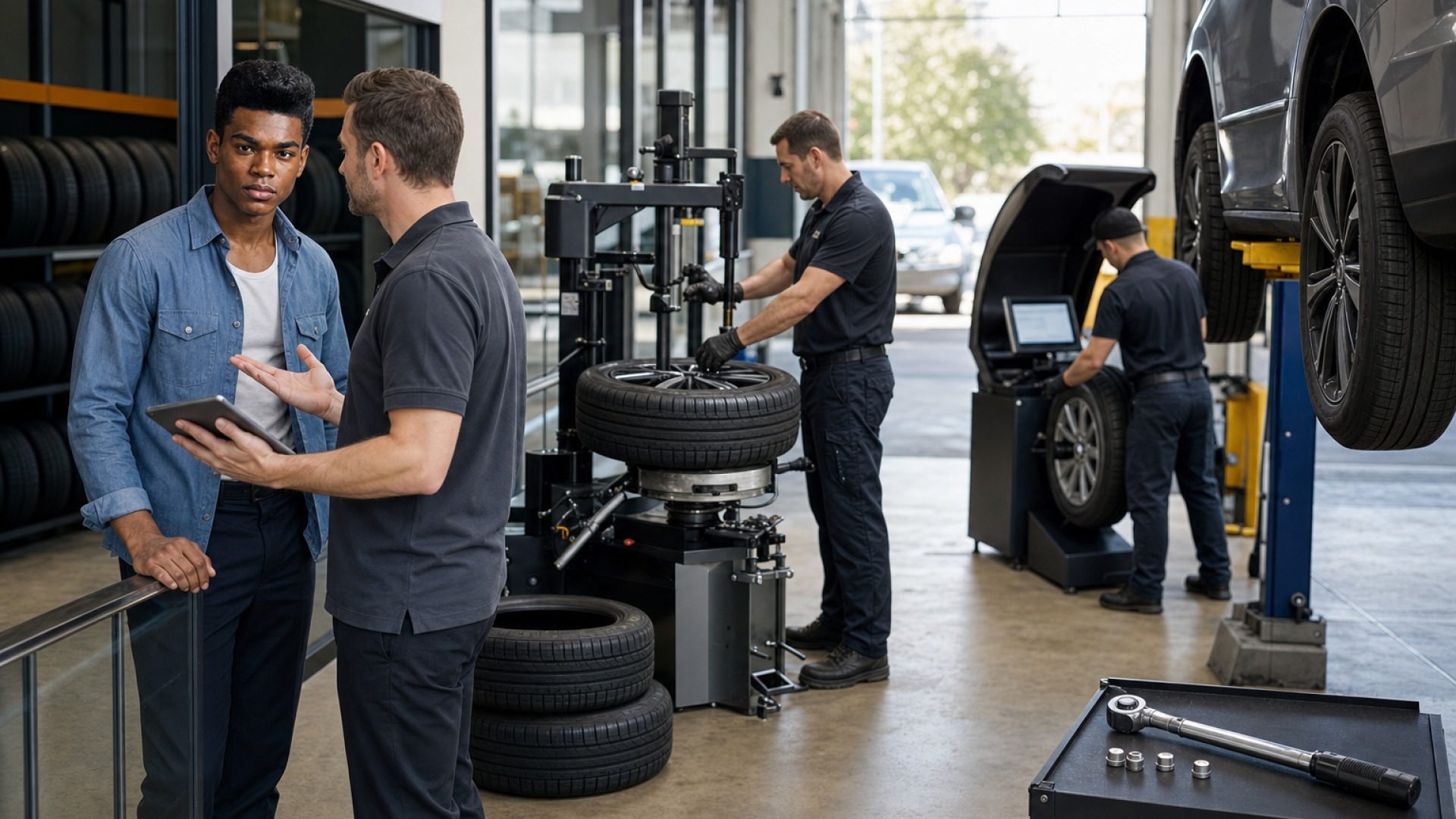
What Tire Services Should Be Included With New Tires?
Buying tires is only part of the job. New tires usually need mounting and balancing, and many vehicles also require attention to valve stems, tire pressure monitoring sensors, wheel condition, lug nut torque, and old tire disposal. Some shops include rotation plans, road hazard protection, flat repair policies, or alignment checks. TiresOpedia helps visitors ask what is included before approving the work. A trustworthy shop should explain the full service package clearly so the customer knows what they are paying for and how to protect the new tires after installation.

Why Are My Tires Wearing Out Too Fast?
Uneven or rapid tire wear can come from underinflation, overinflation, missed rotations, alignment problems, worn suspension parts, heavy loads, aggressive driving, or road conditions. The pattern matters. Wear on the edges, center, one side, or in cupped patches can point to different causes. TiresOpedia helps visitors understand that replacing worn tires without asking why they wore out may lead to the same problem again. A good tire shop should be willing to look at the wear pattern and recommend the service needed to help the next set last longer.
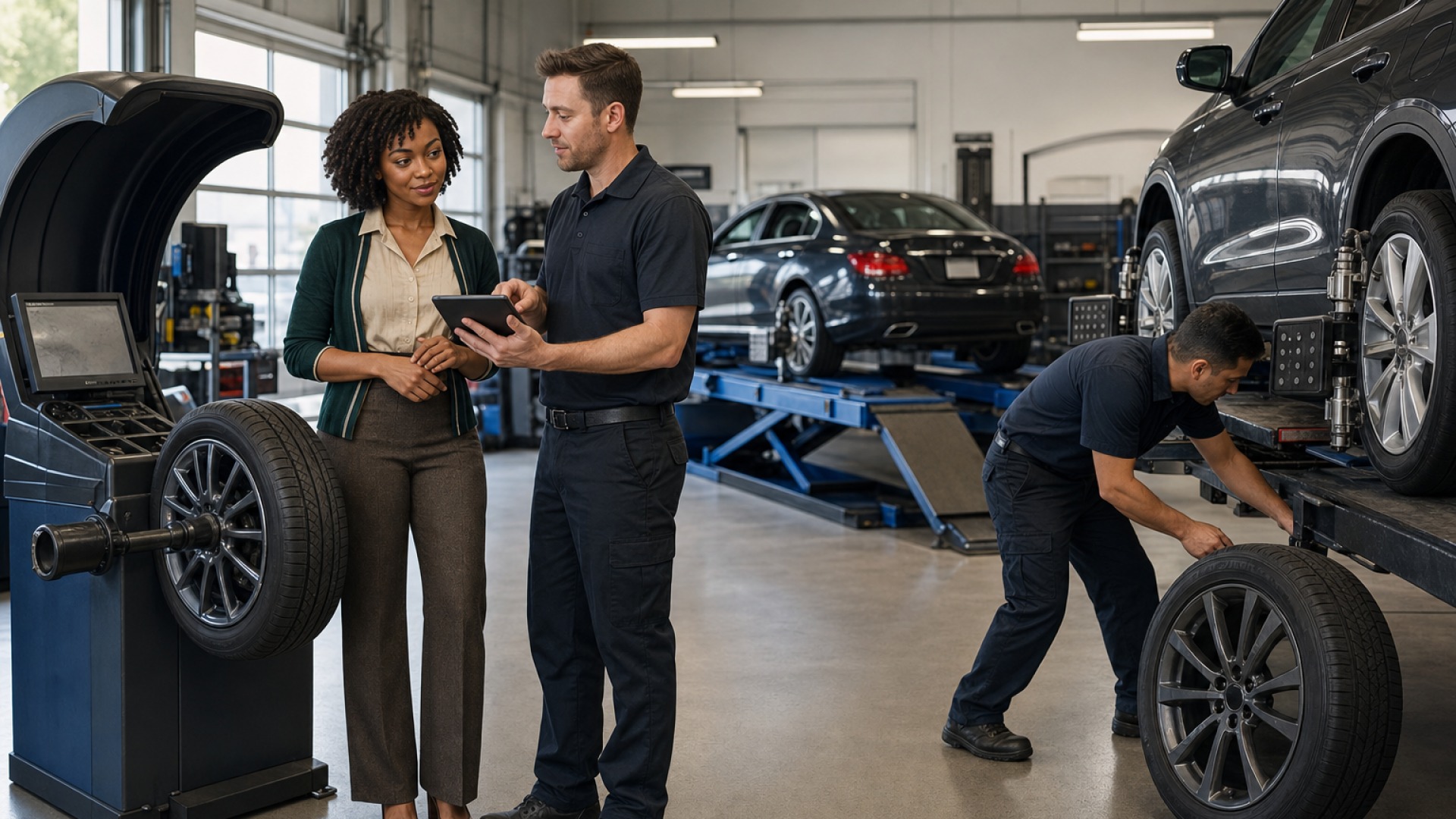
Do I Need a Tire Rotation, Balancing, or Alignment?
Rotation, balancing, and alignment are different services, but consumers often hear them mentioned together. Rotation moves tires to different positions to even out wear. Balancing helps prevent vibration by correcting weight differences in the wheel and tire assembly. Alignment adjusts the vehicle so the tires meet the road at the proper angles. TiresOpedia helps visitors understand the difference, especially when they feel vibration, see uneven wear, or buy new tires. Asking the right question can prevent unnecessary work and also protect a tire investment.

How Do I Choose a Tire Shop I Can Trust?
A good tire shop should be willing to explain the problem, show the customer what they found, provide a clear estimate, and answer questions without pressure. Look for shops that confirm tire size, discuss repair versus replacement honestly, explain included services, and stand behind their work. Reviews, warranties, road hazard policies, clean service practices, and straightforward pricing all matter. TiresOpedia helps visitors approach local tire shops with confidence by knowing what a trustworthy experience should feel like before they hand over the keys.

For Local Businesses, Content Creators, and Prize Sponsors
Interested in learning how TiresOpedia and the Opedia Network may help you reach new customers, create new opportunities, or increase your cash flow? Please check all that apply below.